The trigonal bipyramid is not a regular shape since the bond angles are not all the same. It therefore follows that the corners are not equivalent in ClF 3 molecule. Lone pairs occupy two of the corners, and F atoms occupy the other three corners. These different arrangements are theoretically possible, as shown in figure.
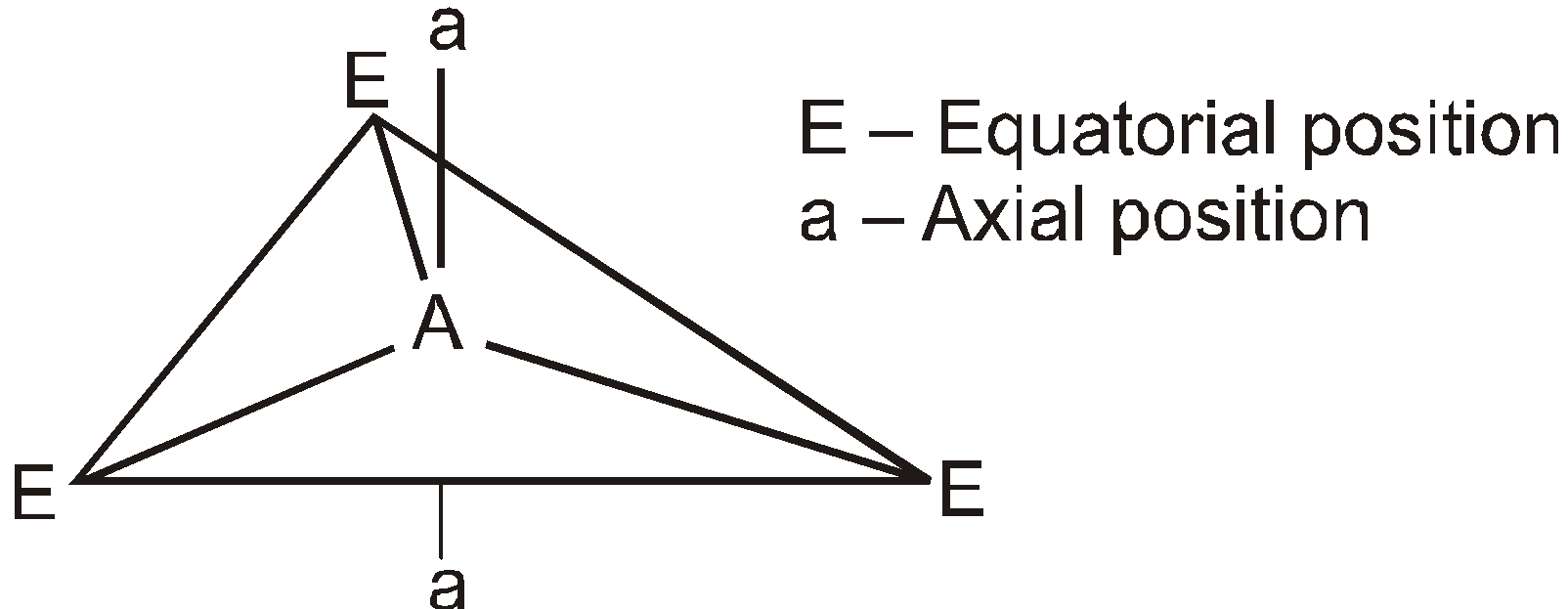
(i) The most stable structure will be the one of lowest energy, that is the one with the minimum repulsion between the five orbitals. The greatest repulsion occurs between two lone pairs. Lone pair bond pair repulsions are next strongest, and bond pair-bond pair repulsions the weakest.

A rule of thumb can be theorised, that the position having maximum repulsion amongst them are occupied at equatorial points. Therefore
Text Solution
Verified by ExpertsCHECK THE SOLUTION.
(i)
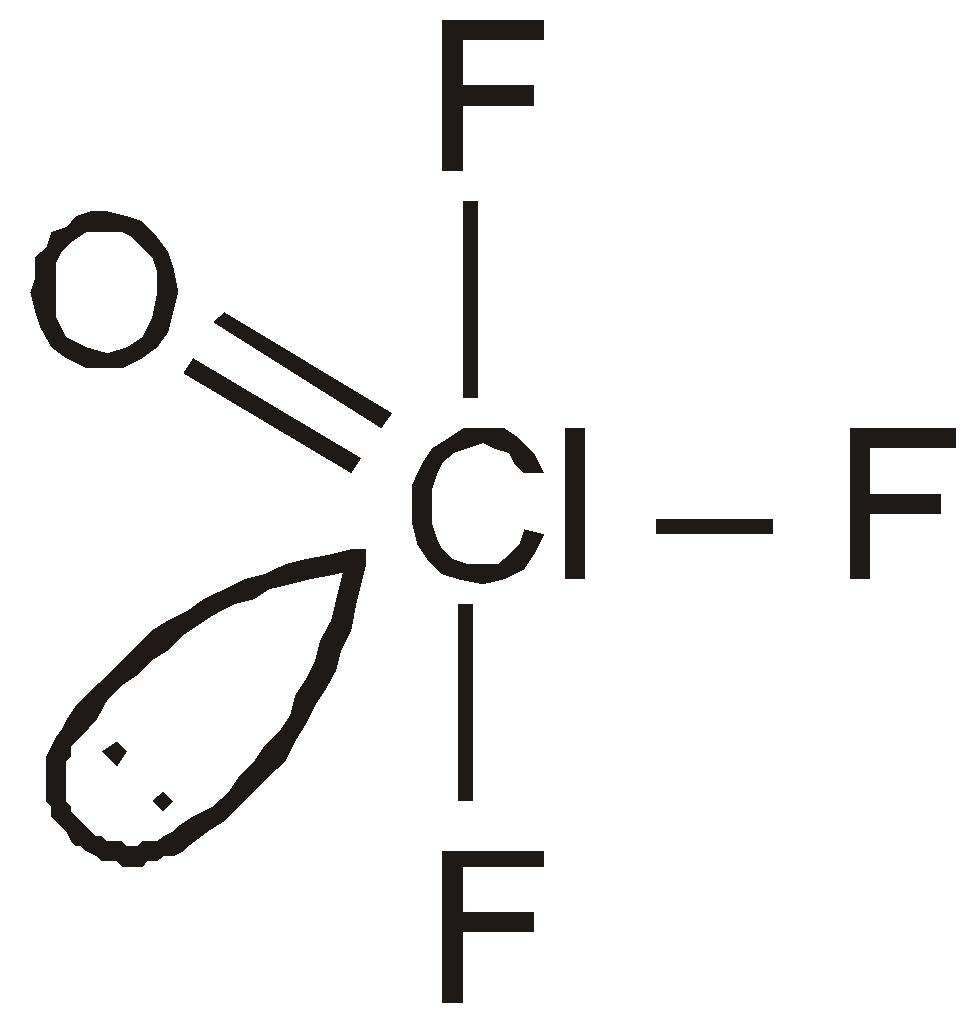
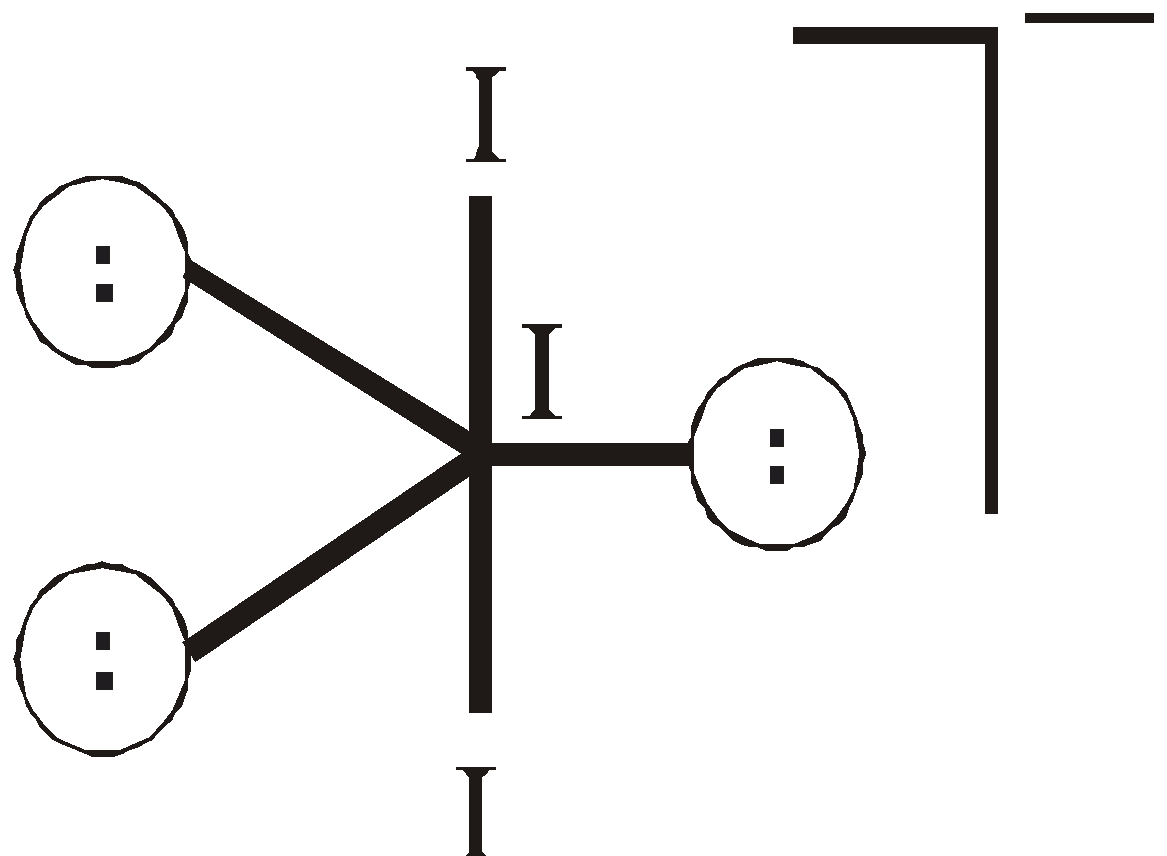
Cl-atom is in sp 3 d hybridisation state. Hence geometry is trigonal bi-pyramidal which is similar to Ι 3 –
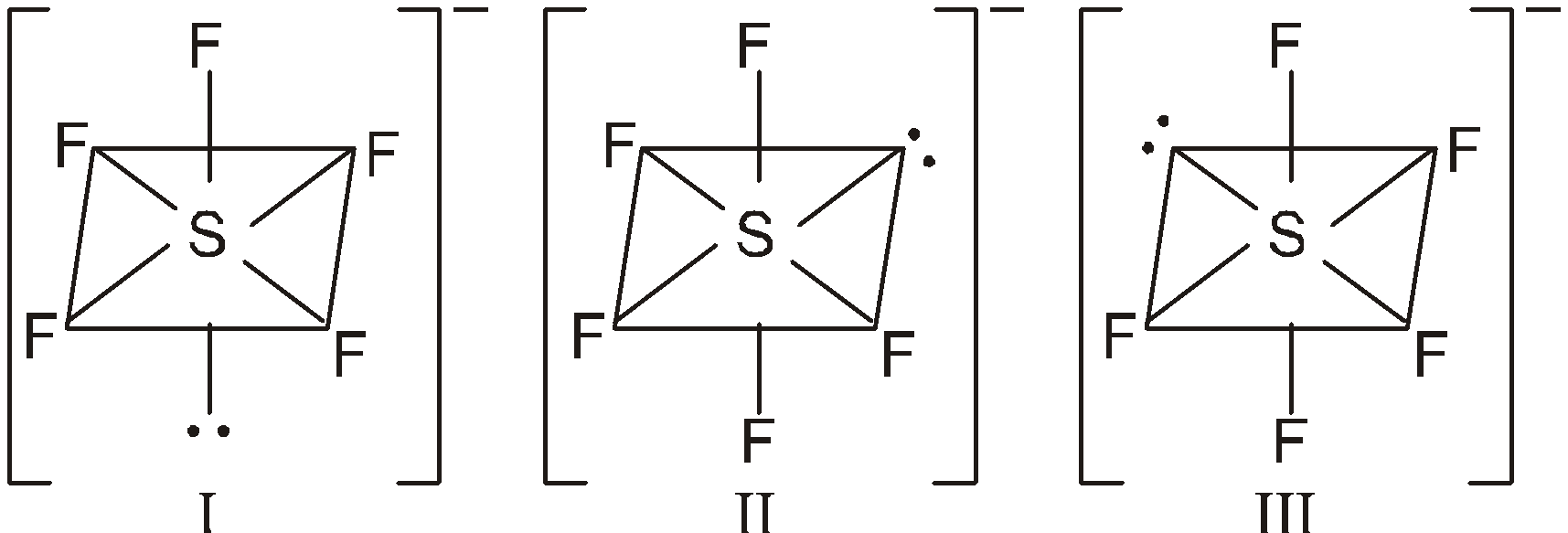
(ii) Number of electrons pairs = 6; number of bond pairs = 5; number of lone pairs =1. According to VSEPR theory geometry of the molecule is square bipyramidal. As all positions are equivalent the lone pair of electrons can occupy any position in octahedral geometry as given below.
(iii) 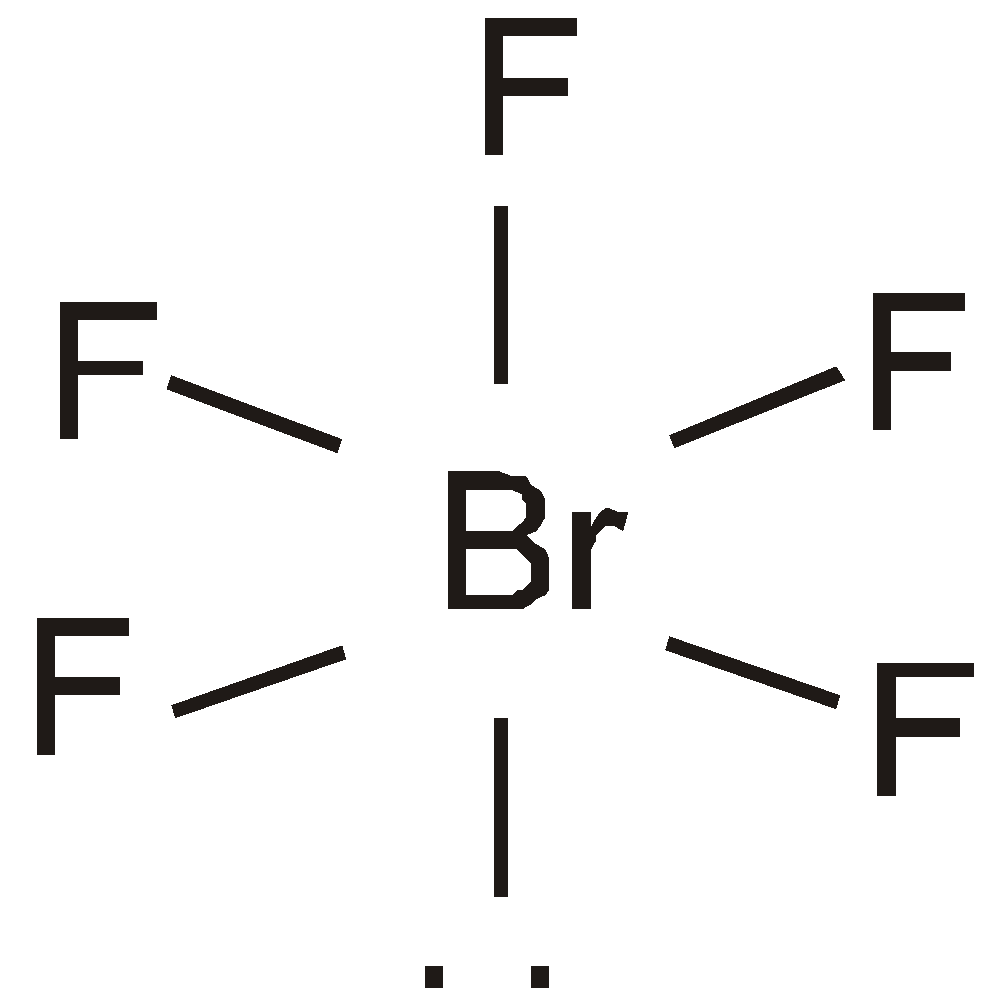
 sp 3 d 2
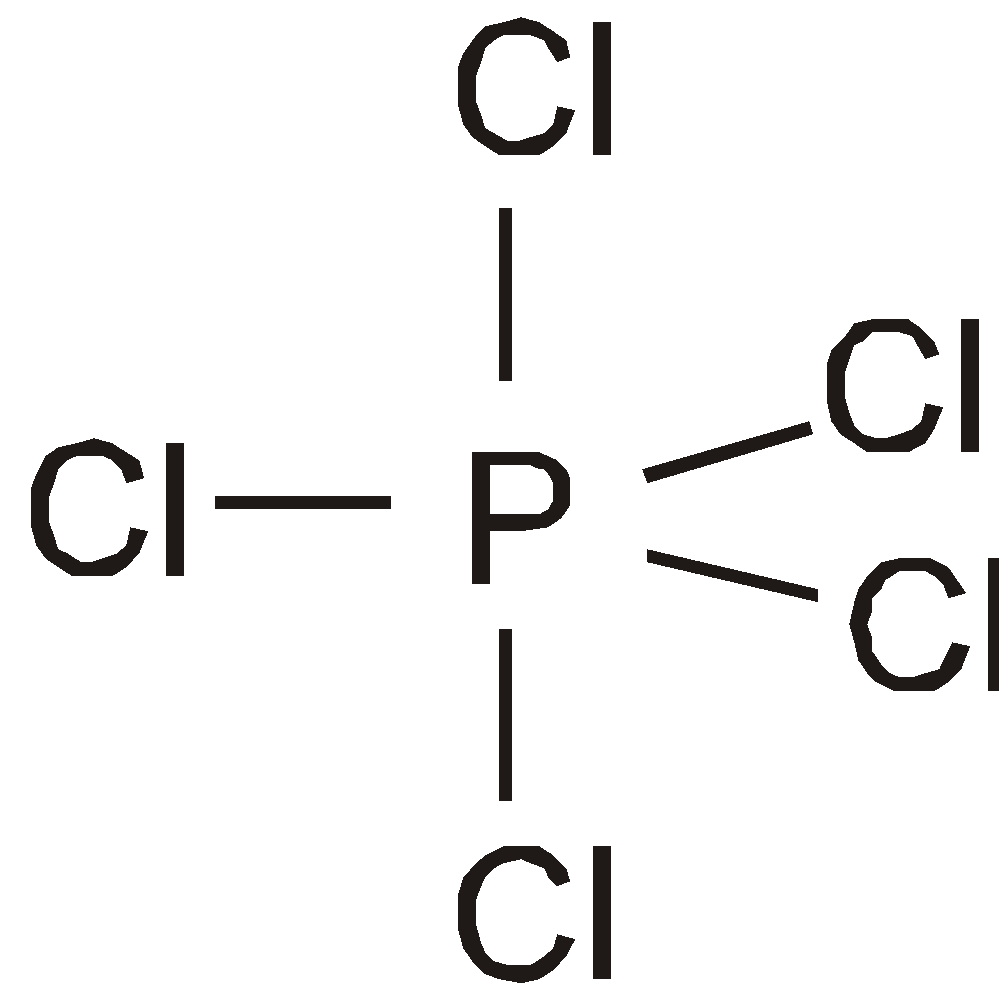
 sp 3 d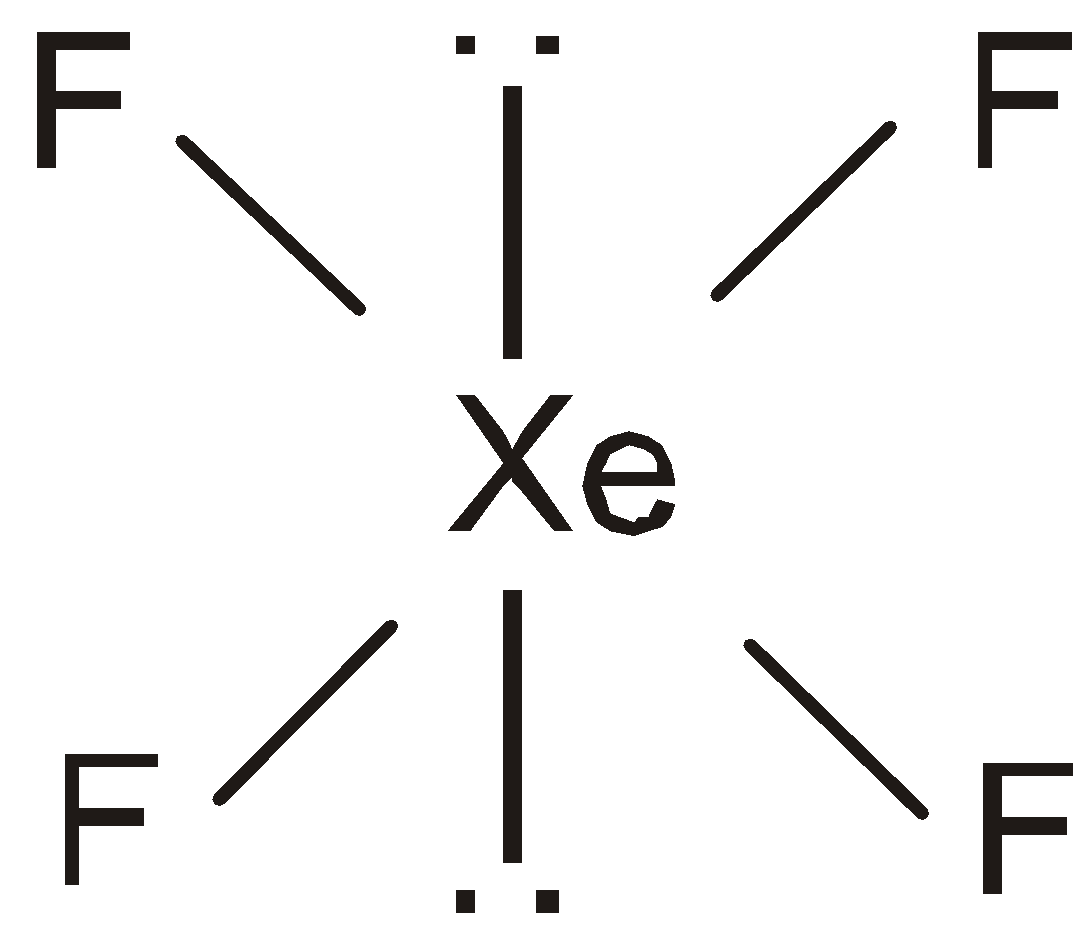
 sp 3 d 2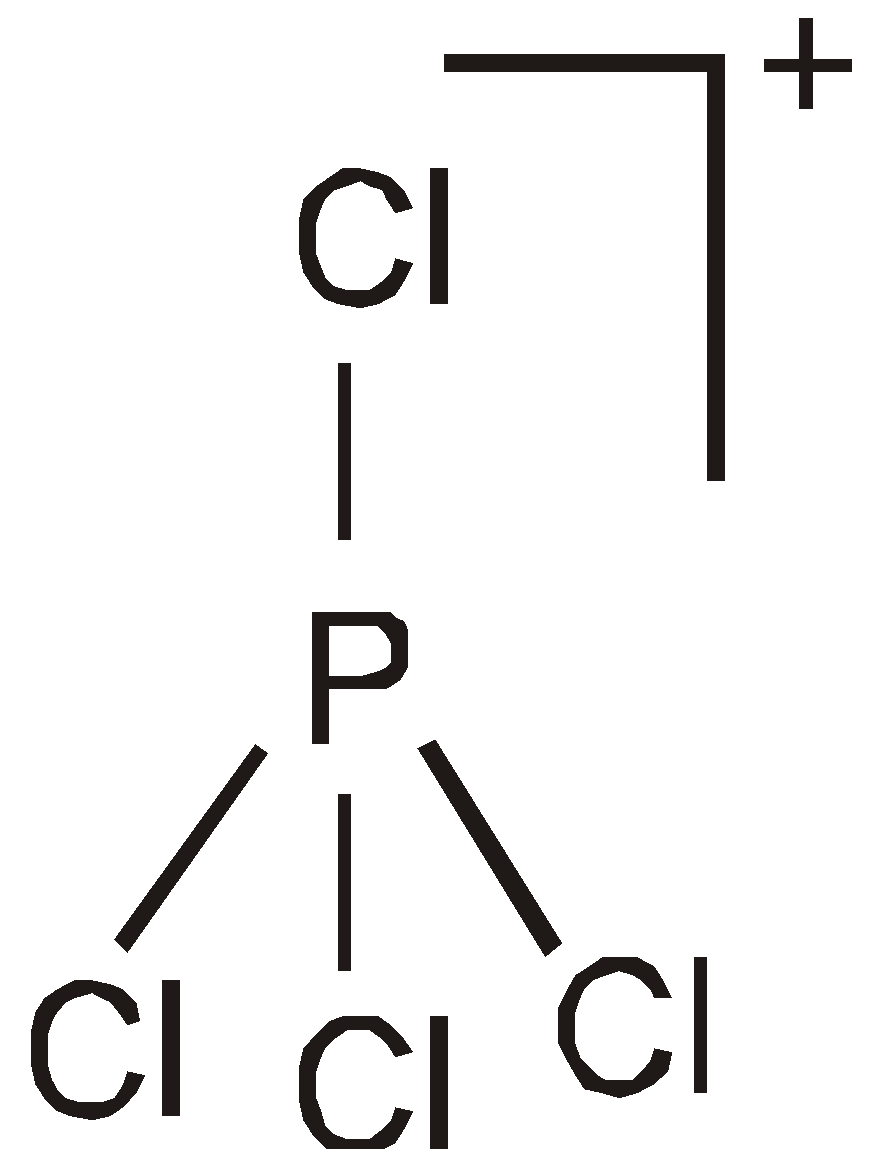
 sp 3 (iv)(a,b,c)
With hydrogen sulphur does not undergo sp
3 d 2 hybridisation because of larger difference in energies between s, p and d-orbitals. Sulphur show +6 oxidation state with highly electronegative elements like O and F.
As fluorine is smaller and more electronegative than oxygen.
I being large in size, cannot get accomodated around S.
Prepare Smarter with CGP Edu
Get practice questions, solutions, and test series in one place.
Write a Review
Share your experience with this question and solution.
Commentary
Send your comment, doubt, correction, or feedback to admin.
Similar Questions
Explore conceptually related problems